Welcome to Historic Hope

Historic Hope is a 45-acre historic site dedicated to preserving and interpreting the rich, complex history of Bertie County and the Roanoke-Chowan region. The site includes two historic house museums, the 1803 Hope Mansion and the 1763 King-Bazemore House, as well as the Roanoke-Chowan Heritage Center & Museum, gardens, and a nature trail. Historic Hope’s collections reflect centuries of regional history, from Indigenous material culture and colonial settlement through the nineteenth century and beyond. Historic Hope also houses the largest single collection of Roanoke River Basin furniture in the United States, with pieces displayed throughout its museums.

Plan Your Visit

Historic Hope is open on Mondays, Wednesdays, and Fridays from 9:30 a.m. to 4:00 p.m.
All tours are guided and begin at 10:00 a.m. • 12:00 p.m. • 2:00 p.m.
Tours are approximately 90 minutes long.

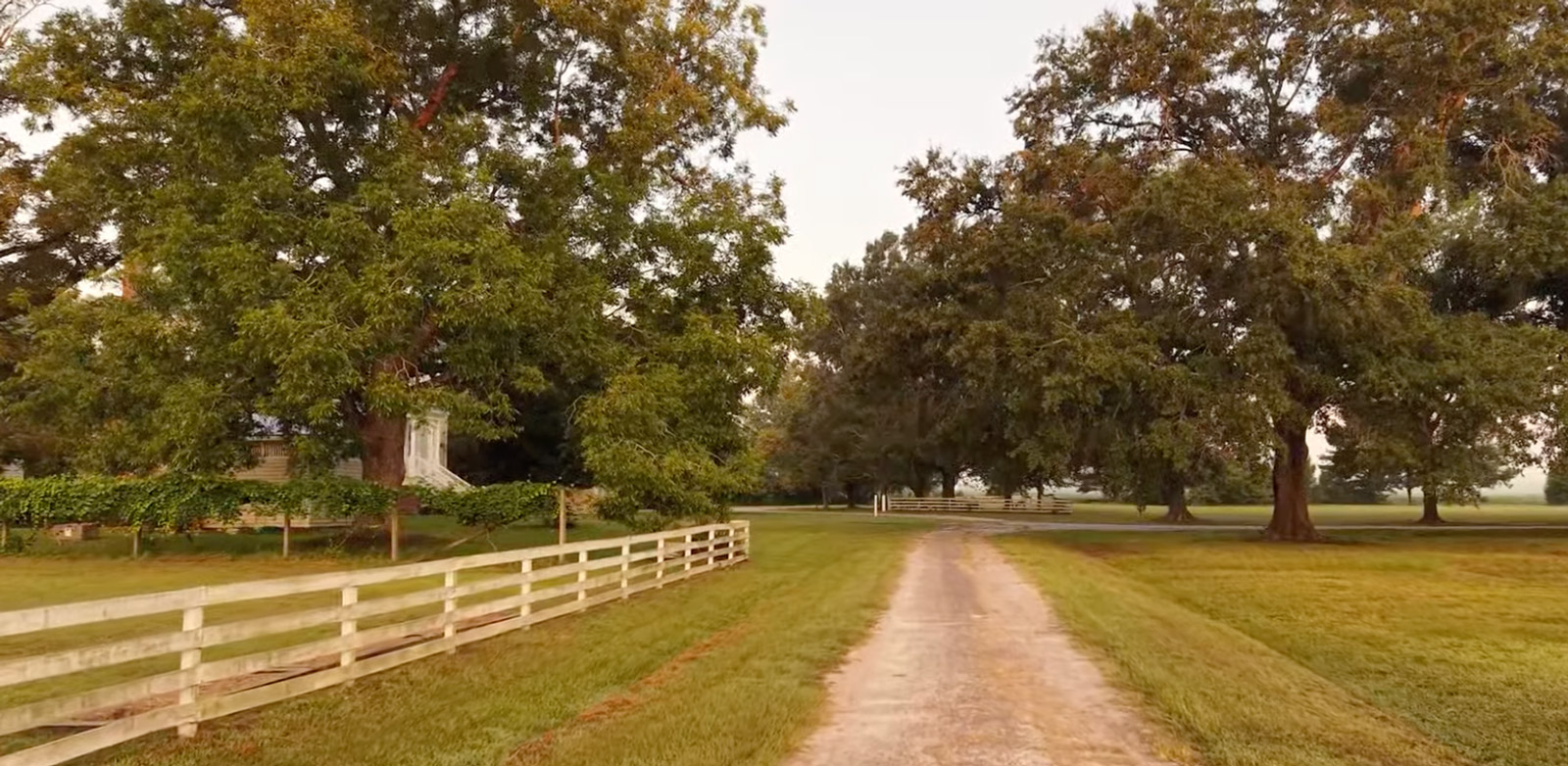
Explore Our Scenic Grounds

A Visual Journey Through Time

Discover Our Unique Features

Explore Our Historic Sites

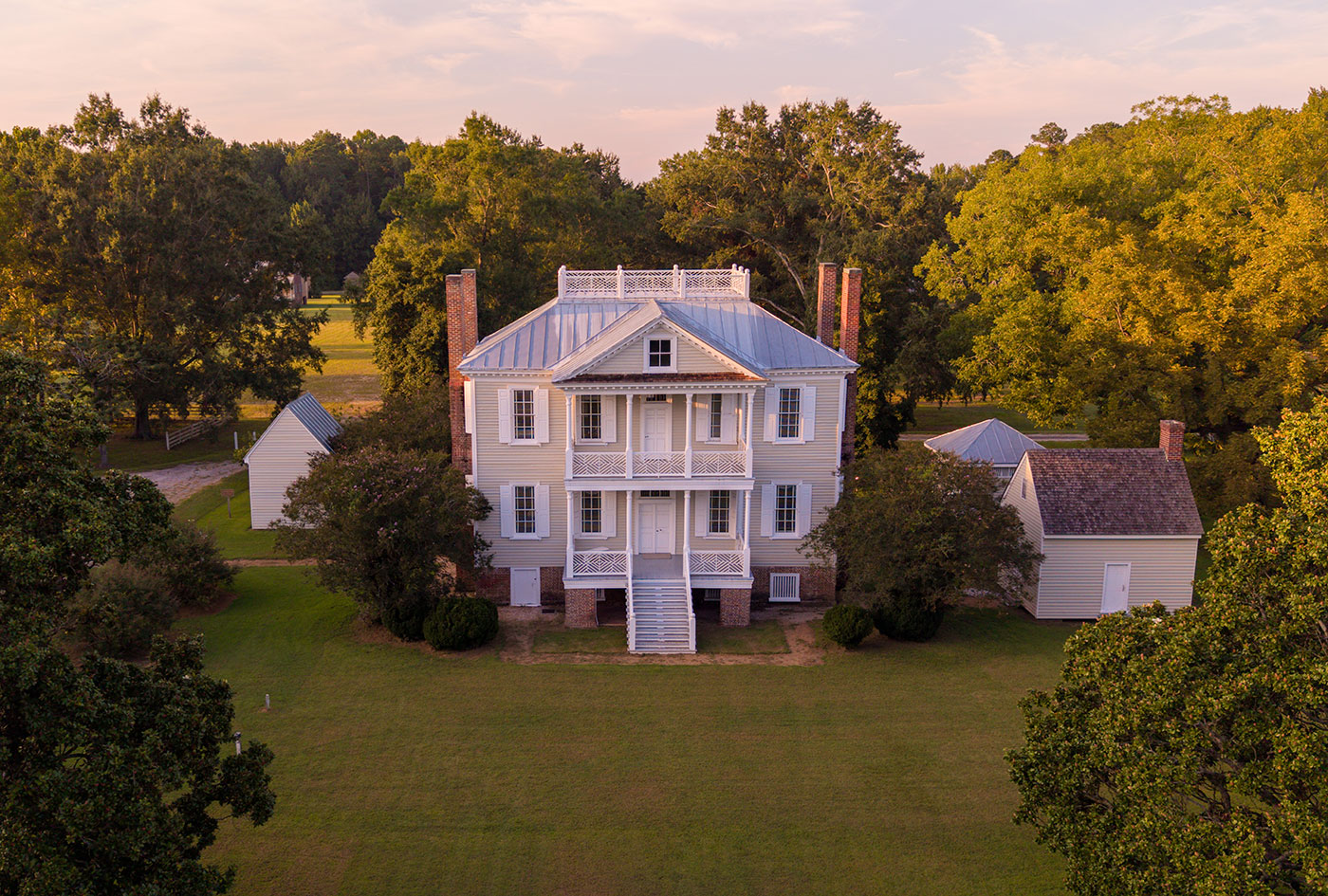
Hope Mansion

Completed in 1803, the Hope Mansion was the Bertie County residence of David Stone (1770–1818), a lawyer, North Carolina Superior Court justice, United States senator, and governor of North Carolina.

Elegant Wedding Venue

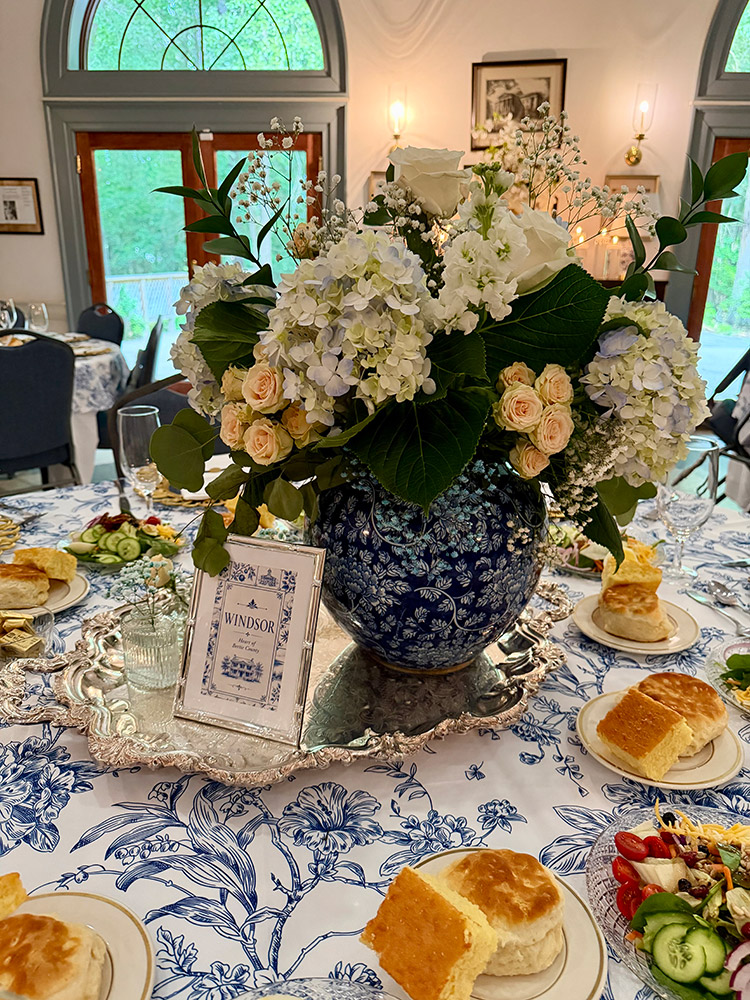
Nestled in the heart of Bertie County, Historic Hope’s 45-acre site offers a distinctive historic setting for weddings, receptions, and rehearsal dinners.

Scenic Nature Trails

A system of nine interconnected walking paths wind through the 28-acre Hope Forest and across the surrounding grounds of Historic Hope’s 45-acre site.

King-Bazemore House

Built in 1763 for William King and his wife, Elizabeth, the King-Bazemore House follows a traditional hall-and-parlor plan and is a rare surviving example of mid-eighteenth-century domestic architecture in North Carolina.

Tranquil Gardens

The gardens at Historic Hope include annual and perennial plants historically grown in plantation gardens in eastern North Carolina during the eighteenth and nineteenth centuries.

Life Gallery and Museum

A space for lectures, presentations, and other programs while displaying original Stone family objects, including needlework, oil portraits, and the surviving pieces from a Stone family chess set.