History Timeline
Present
Today, Historic Hope Foundation continues its mission to preserve the buildings, landscape, collections, and records entrusted to its care. Through preservation, the past can continue to be studied, interpreted, and shared. At Historic Hope, interpretation seeks to represent the many people whose lives shaped the site and surrounding region, including Indigenous peoples, free and enslaved Black communities, European settlers, and the families who lived at Hope.
View the timeline below to see significant dates in our history.
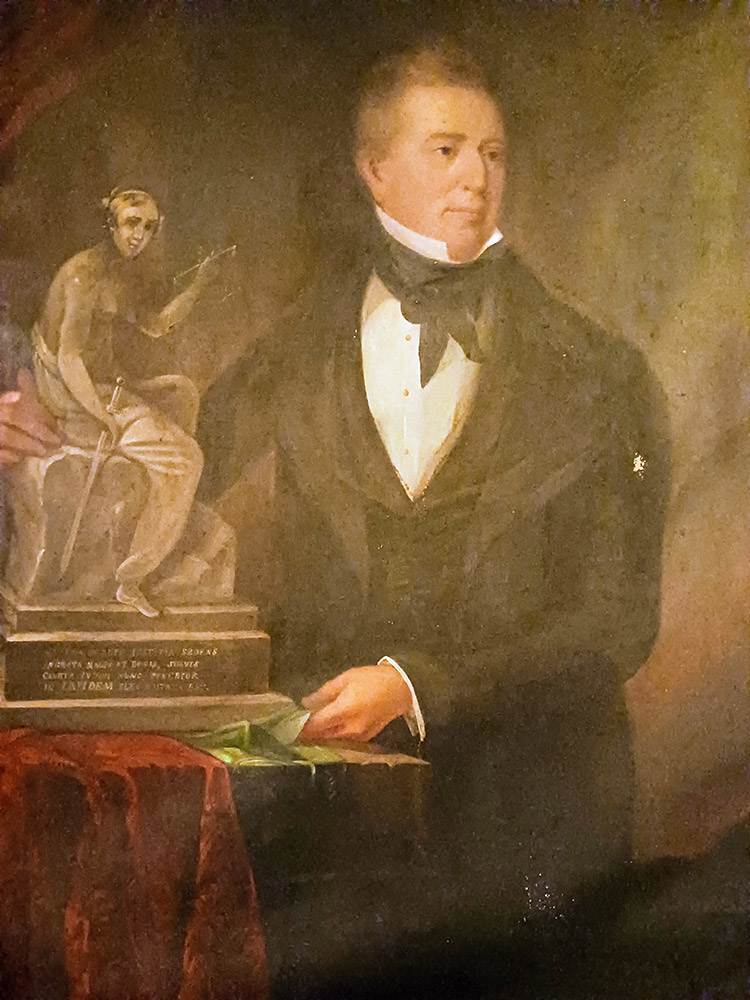
David Stone was born in Bertie County, North Carolina, on February 17, 1770, the son of Elizabeth and Zedekiah Stone. He entered the College of New Jersey, now Princeton University, as a sophomore and advanced directly to the senior class, bypassing his junior year. While a student, he participated in both the Whig and Cliosophic debating societies.
Stone graduated with the class of 1788, ranking first in his class. At commencement, he delivered the Latin salutatory address, “The Foundation of the Law of Nature.”
After graduation, Stone returned to North Carolina and studied law under William R. Davie. In November 1789, he represented Bertie County at the Fayetteville Convention, which ratified the United States Constitution. In 1790, Stone was elected to the House of Commons, and the following year he was licensed to practice law.
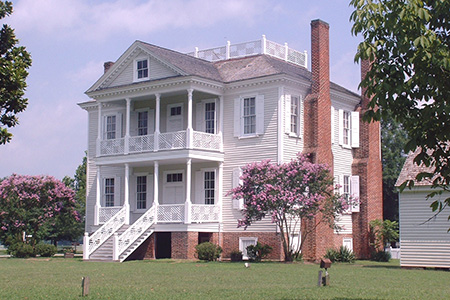
David married seventeen-year-old Hannah Turner the following month.
After opposing the Madison administration’s policies during the War of 1812, Stone was censured by the North Carolina General Assembly. He resigned from the Senate in 1814 and resumed his legal career.
He was predeceased by his first wife, Hannah, and several of their children. Stone was survived by six of their children and by his second wife, Sarah Dashiell Stone, whom he had married at Hope in 1817.
At the time of his death, Stone owned approximately 6,880 acres of land in Bertie and Wake counties.
After David Stone’s death, an inventory of his estate was taken. The inventory lists 138 people enslaved at Stone’s Hope and Rest-Dale properties at the time of his death.
Probate and personal papers show that these communities included many infants, elderly people, and families. Among the enslaved were Moses, born August 20, 1777; his wife, Celia, born in October 1780; and their son, Little Moses. Dick was born on Christmas Day in 1805. Susan was born on March 4, 1806.
As part of Stone’s estate settlement, appointed commissioners divided these enslaved people among Stone’s widow, Sarah Dashiell Stone, and his six surviving children. This process began in 1818 and ended in 1823.
Later records provide additional information about some of these individuals. Moses and Celia were later recorded as living in Bertie County while their son, Little Moses, lived separately in Edenton. By 1838, Susan was thirty-two years old, the mother of six children, and living in Raleigh. Having been assigned to Sarah Dashiell Stone in 1818, Prince was sold to Allen Rogers Sr. after Sarah’s death; the 1838 sale record describes thirty-year-old Prince as “infirm” and working as a shoemaker.
Although surviving records are fragmentary, Historic Hope continues to research the people enslaved at Hope and Rest-Dale. This work seeks to recover as much as possible about their individual lives and families.
Over the next 130 years, Hope passed through nine private owners and several of their unnamed heirs.